


2-萘酚生产高盐高COD废水蒸发浓盐渣资源化
2-萘酚生产高盐高COD废水蒸发浓盐渣资源化
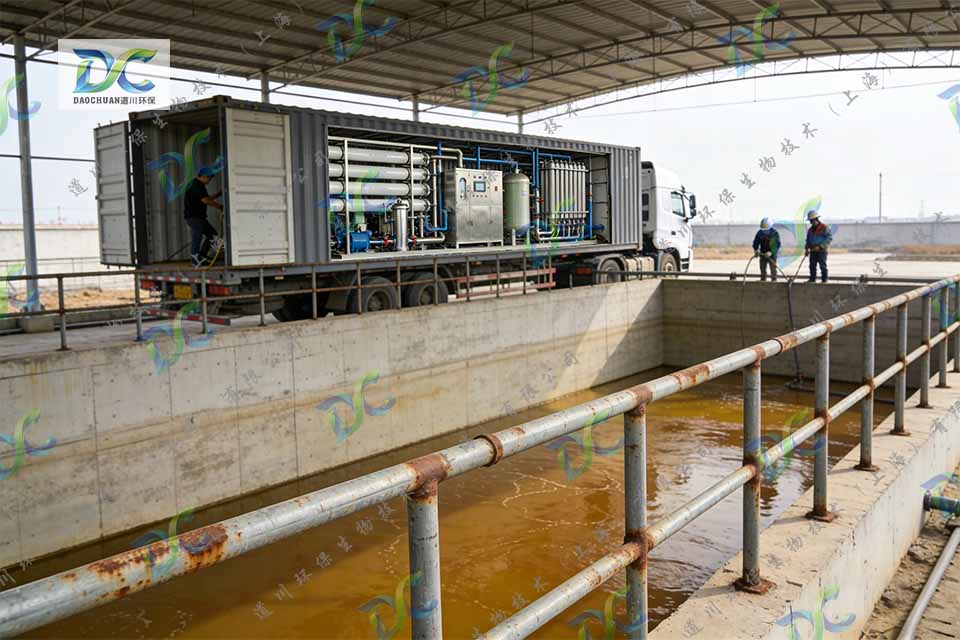
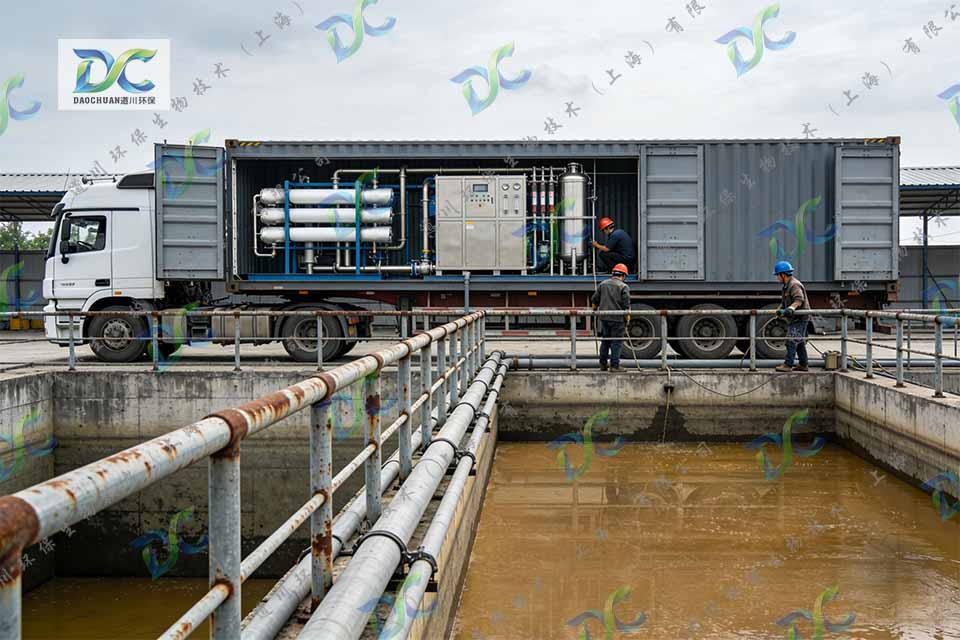
2-萘酚(C₁₀H₈O)作为核心染料中间体,其生产过程中产生的废水具有色泽深、酸碱缓冲性强的特点,COD浓度高达30000~40000mg/L,含盐量达10%~15%,富含难降解萘磺酸(C₁₀H₈O₃S)等有机中间体,以及硫酸钠(Na₂SO₄)、亚硫酸钠(Na₂SO₃)、氯化钠(NaCl)等无机物。该废水可生化性**差且对微生物具有毒性,常规生化处理工艺难以达标处置。
经蒸发器脱水处理后,浓盐渣主要成分占比明确:硫酸钠60%~70%、亚硫酸钠8%~12%、氯化钠5%~8%、萘磺酸(C₁₀H₈O₃S)3%~5%,剩余为少量杂质。通过浓缩、分离、富集、萃取、结晶及提纯等精细化工艺,可实现各类物料的高效资源化回收。
有机物料回收:萘磺酸(C₁₀H₈O₃S)经提纯后可达工业级标准,回用于染料、医药等领域的合成生产,实现资源循环。无机物料回收:硫酸钠(Na₂SO₄)提纯至工业级,广泛应用于印染助染、洗涤剂填充等场景;亚硫酸钠(Na₂SO₃)回收后可作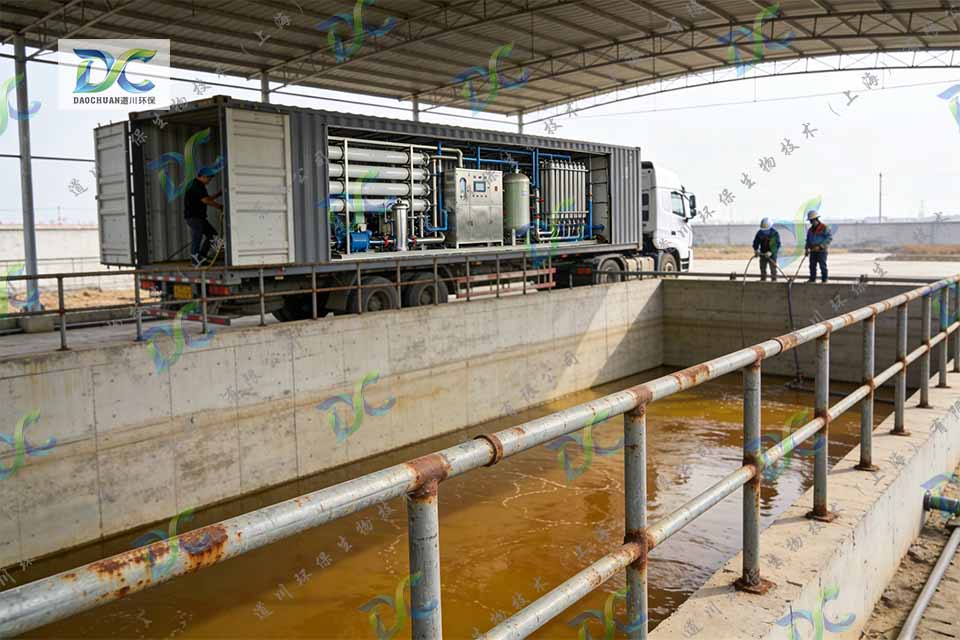 为脱氧剂、漂白剂,适配纺织、化工等行业需求;氯化钠(NaCl)精制后用作基础化工原料。仅无利用价值的少量杂质按危险废物规范处置,真正实现浓盐渣“变废为宝”,大幅降低企业处置成本,同步彰显环保价值与经济效益。
2-萘酚生产高盐高COD废水蒸发浓盐渣资源化
2-萘酚(C₁₀H₈O)作为核心染料中间体,其生产过程中产生的废水具有色泽深、酸碱缓冲性强的特点,COD浓度高达30000~40000mg/L,含盐量达10%~15%,富含难降解萘磺酸(C₁₀H₈O₃S)等有机中间体,以及硫酸钠(Na₂SO₄)、亚硫酸钠(Na₂SO₃)、氯化钠(NaCl)等无机物。该废水可生化性**差且对微生物具有毒性,常规生化处理工艺难以达标处置。
经蒸发器脱水处理后,浓盐渣主要成分占比明确:硫酸钠60%~70%、亚硫酸钠8%~12%、氯化钠5%~8%、萘磺酸(C₁₀H₈O₃S)3%~5%,剩余为少量杂质。通过浓缩、分离、富集、萃取、结晶及提纯等精细化工艺,可实现各类物料的高效资源化回收。
有机物料回收:萘磺酸(C₁₀H₈O₃S)经提纯后可达工业级标准,回用于染料、医药等领域的合成生产,实现资源循环。无机物料回收:硫酸钠(Na₂SO₄)提纯至工业级,广泛应用于印染助染、洗涤剂填充等场景;亚硫酸钠(Na₂SO₃)回收后可作为脱氧剂、漂白剂,适配纺织、化工等行业需求;氯化钠(NaCl)精制后用作基础化工原料。仅无利用价值的少量杂质按危险废物规范处置,真正实现浓盐渣“变废为宝”,大幅降低企业处置成本,同步彰显环保价值与经济效益。
Resource Utilization of Evaporated Concentrated Salt Residue from High-Salt and High-COD Wastewater in 2-Naphthol Production
2-naphthol (C₁₀H₈O) is a core dye intermediate. The wastewater generated during its production has the characteristics of deep color and strong acid-base buffering capacity, with COD concentration up to 30000~40000mg/L and salt content of 10%~15%. It is rich in refractory naphthalenesulfonic acid (C₁₀H₈O₃S) and other organic intermediates, as well as inorganic substances such as sodium sulfate (Na₂SO₄), sodium sulfite (Na₂SO₃) and sodium chloride (NaCl). The wastewater has extremely poor biodegradability and toxicity to microorganisms, making conventional biochemical treatment processes difficult to meet the standard.
After dehydration by evaporator, the main component ratio of the concentrated salt residue is clear: 60%~70% sodium sulfate, 8%~12% sodium sulfite, 5%~8% sodium chloride, 3%~5% naphthalenesulfonic acid (C₁₀H₈O₃S), and the rest are a small amount of impurities. Efficient resource recovery of various materials can be achieved through refined processes such as concentration, separation, enrichment, extraction, crystallization and purification.
Organic material recovery: Naphthalenesulfonic acid (C₁₀H₈O₃S) can reach industrial grade after purification and be reused in the synthesis and production of dyes, pharmaceuticals and other fields to realize resource recycling. Inorganic material recovery: Sodium sulfate (Na₂SO₄) is purified to industrial grade, which is widely used in printing and dyeing auxiliary, detergent filling and other scenarios; Sodium sulfite (Na₂SO₃) can be used as deoxidizer and bleaching agent after recovery, adapting to the needs of textile, chemical and other industries; Sodium chloride (NaCl) is refined and used as basic chemical raw material. Only a small amount of useless impurities are disposed of in accordance with hazardous waste regulations, truly turning concentrated salt residue into treasure, greatly reducing the disposal cost of enterprises, and simultaneously highlighting environmental protection value and economic benefits.

服务热线:
021-6789 8108
 联系我们
联系我们 021-6789 8108
